Contrast therapy is one system, not two products
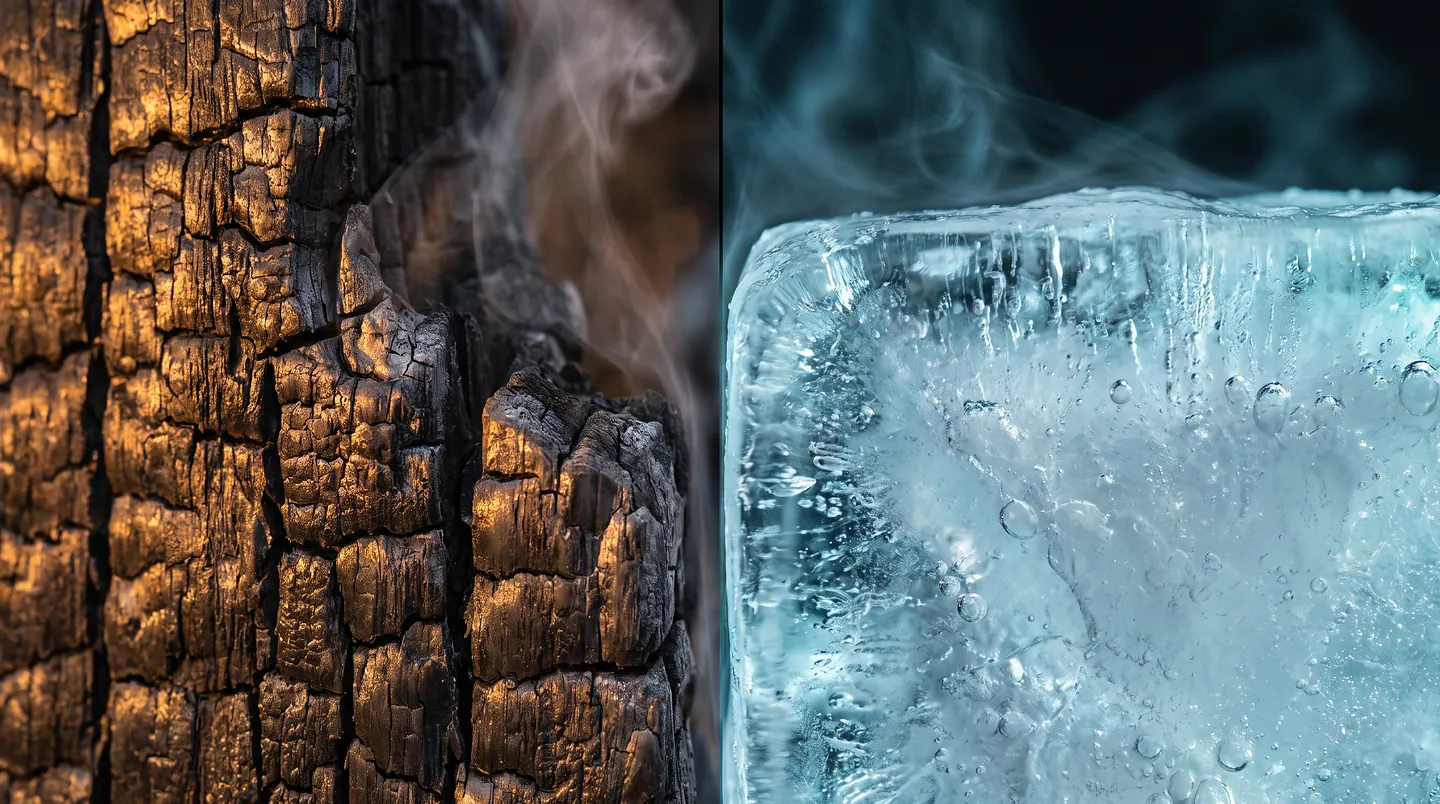
We sell saunas and ice baths as two products because that's how people shop. Physiologically, they're one tool. Contrast therapy — up to 90°C, down to 4°C, repeat — gives your vascular system something neither heat nor cold can produce alone. It isn't the heat doing the work. It isn't the cold either. It's the transition between them.
We have completed more than 100 projects in three years, most of them around Bandung, and the pattern barely changes: someone buys a sauna, uses it for six months, then adds an ice bath — and only then understands why we draw both onto the same floor plan from day one.
The vascular pump: what happens between 90°C and 4°C
The mechanism is simple enough to explain without overselling it.
Inside a dry sauna at 80–95°C, your body has one priority: dump heat. Blood vessels near the skin dilate, blood flow shifts to the surface, heart rate climbs, you sweat. Your skin flushes red because the blood genuinely moved there.
Then you get into water at 2–8°C. The priority inverts within seconds: protect the core. Surface vessels constrict, blood is pulled back inward, and your breath catches. That gasp is a reflex, not a character flaw.
Finish one round and you've just asked your vascular system to open fully and clamp down fully inside a few minutes. Repeat two or three times. That's the vascular pump, and it's the one part of this story nobody argues about: the shift is real, measurable, and you feel it happen.
What that pump does for your long-term health is a harder question. We handle it honestly below.
The contrast therapy protocol we recommend
This is a starting point, not a prescription. The numbers are deliberately conservative.
| Phase | Duration | Temperature | What you're looking for |
|---|---|---|---|
| Hot | 10–15 min | 80–95°C | Full sweat, breathing still easy |
| Cold | 1–3 min | 2–8°C | Breath back under control before you exit |
| Rest | 5–10 min | Ambient | Heart rate falls, skin re-warms on its own |
| Rounds | 2–3 | — | Stop when a round feels worse, not better |
Finish however you prefer. There's a long argument about whether you must end cold — we won't sell you that as a rule.
Why 10–15 minutes hot
Below 10 minutes, most people are not meaningfully heat-loaded. You are warm, but core temperature has barely moved and the stimulus is weak. Past 15 minutes at 90°C the return curve flattens while the downside does not: dehydration, light-headedness when you stand, and a worse round afterwards.
A better marker than the clock: you are sweating hard and can still hold a normal sentence. If you are counting down seconds, you stayed too long. If you are still dry at minute 12, your sauna isn't hot enough — that's the build, not you.
Why 1–3 minutes cold
Most of the response — the gasp, the vasoconstriction, the heart rate spike — lands in the first 30 to 60 seconds. You don't need five minutes to collect it. Minutes four through eight mostly buy core heat loss, which is a different protocol's goal, not this one's.
At 2–4°C, one minute is plenty for a beginner. At 8°C, three minutes makes more sense. We go deeper into that trade-off in our guide to ice bath temperature.
Why 5–10 minutes rest, and why it is not a gap
This is the phase people delete first, and deleting it is the biggest mistake in this article.
Rest is not dead time between the two real things. Rest is where the pump completes its stroke. When you climb out of cold water your surface vessels are still constricted. Over the next five to ten minutes your body reopens them itself, at its own pace, with no external heat — and blood floods back into skin that was cold seconds ago. The heart rate drop, the warmth rising slowly from the inside, the calm people call the sauna high: most of it happens here, on the bench, not in the cabin.
Jump straight from cold water back to 90°C and you force that reopening with external heat. You skip half the dose and reduce the round to a sensation.
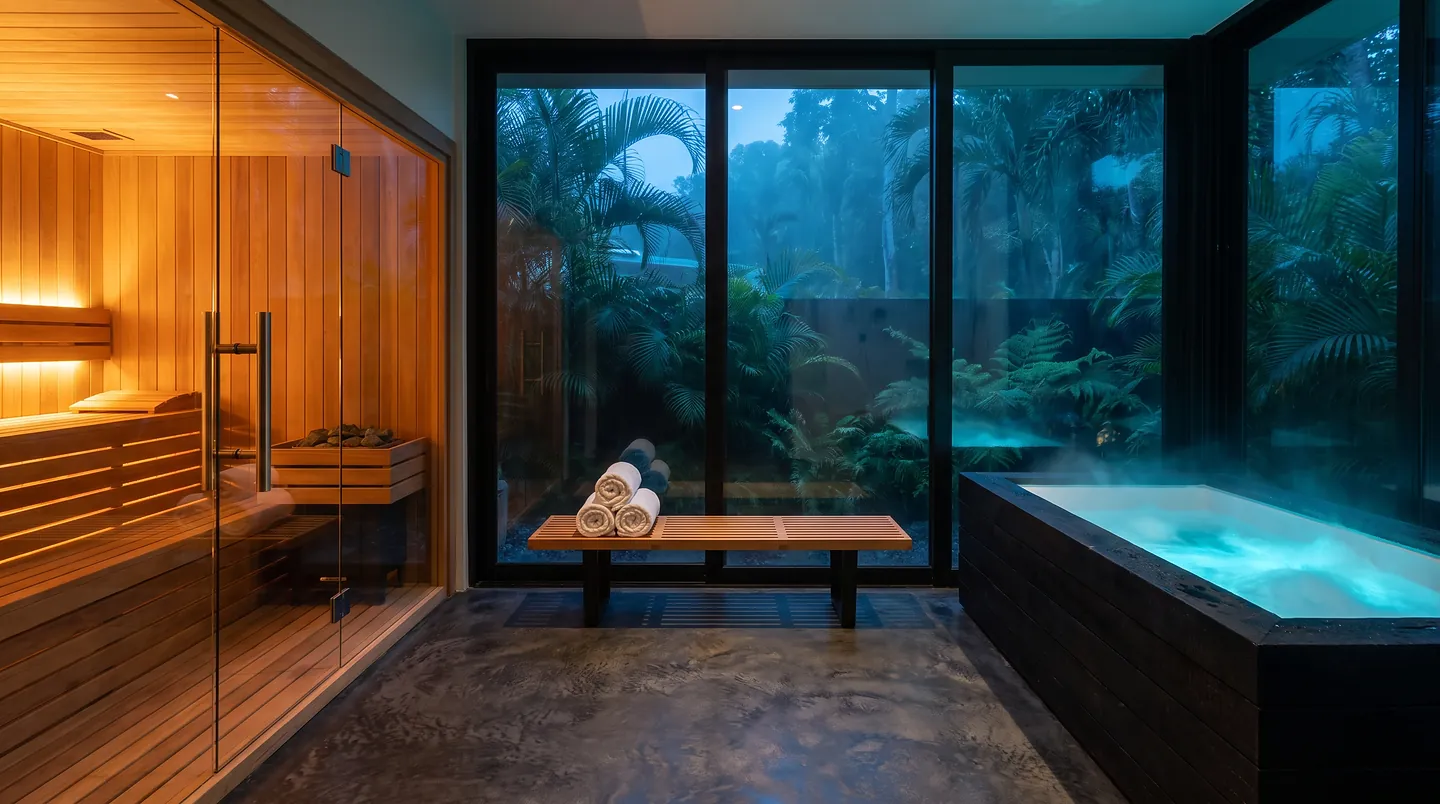
Practical rule: sit until you stop shivering and your skin feels warm again without you doing anything about it. If that takes 12 minutes, take 12 minutes. This is why we always draw a bench or a terrace between the sauna and the plunge instead of pushing them together to save floor area. If you're speccing this for a hotel or villa, the rest phase is a design constraint with square metres attached.
What changes the numbers
Heat adaptation
Your tenth session will not feel like your first. The body adapts to heat fairly quickly: you begin sweating sooner, more heavily, and at a lower core temperature. In practice a beginner often has to leave at minute 8 at 90°C, and three weeks later minute 15 feels comfortable. Raise duration before you raise temperature.
Fitness and body composition
Fitter people generally tolerate longer hot rounds and settle faster during rest. Fat mass and body surface area change how quickly you lose heat in cold water — two people in the same 4°C tub are not having the same session. That is exactly why "3 minutes" is a bad number to hand to everyone.
Time of day
Heat raises core temperature, and your body then overshoots on the way back down — and that falling core temperature is associated with sleepiness. A session that ends around 90 minutes before bed often helps. One that ends 20 minutes before bed often doesn't: you are still shedding heat and still wide awake.
Cold runs the other way. Water at 4°C is a stimulant, and many users report an alertness effect lasting hours. If you're sensitive to it, don't end an evening session with a long cold round.
Bandung gives you an advantage Jakarta cannot: evenings here sit at 18–20°C. An outdoor rest phase works by itself. You are not fighting humid 30°C air while trying to bring your heart rate down.
Four mistakes we see on repeat
1. Too cold, too fast. Someone reads 2°C somewhere and goes straight there on day one. Result: breathing panic, 20 seconds of endurance, and an exit that feels like failure. Start at 10–12°C. Drop one or two degrees a week. A warmer number you actually do beats a colder number you avoid.
2. Skipping the rest phase. Covered above. It is the number one error, and nearly everyone makes it.
3. Holding your breath in the cold. The gasp reflex is normal. The answer isn't willpower — it's a long, slow exhale. If you can't get your breathing under control inside 30 seconds, the water is too cold for you today.
4. Chasing round count. Three rounds is not a grade. If round two feels worse than round one — heavier, more agitated, light-headed — your session is finished. Stop there.
Sequencing it around training
This is the part most often misunderstood, and the answer depends on what you are chasing.
If you are building strength or muscle mass: do not plunge straight after lifting. The adaptation signal following resistance training relies on local inflammation to work, and aggressive cooling immediately afterwards is associated with blunting part of that signal. Leave four to six hours, or do it on a rest day.
If you are mid-tournament, two matches in one day, and what you need is to feel able to perform again this afternoon: that rule does not apply. Recovering now is worth more than adapting next week. We cover that case in more detail in ice bath benefits.
For everyone else — and that is most of our clients — contrast on a rest day, or a few hours after training, is the safe and sensible slot.
The evidence: what's solid, what's thin
We build these things for a living, so we have every incentive to oversell. We won't.
Reasonably solid: the vascular mechanism itself — dilation, constriction, heart rate change — is measurable and uncontroversial. Research also fairly consistently suggests improvements in perceived recovery and perceived muscle soreness after contrast, plus mood effects that many users report. "Perceived" is not an insult here: if you feel ready to train tomorrow, you will train tomorrow.
Thinner: claims about fat burning, "detox", immunity boosts, and specific long-term disease-risk numbers attributed to contrast specifically. Some long-term sauna research is genuinely promising, but much of it is observational, and very little of it isolates contrast against heat alone. Anyone quoting you a percentage is selling something.
What we believe: this is a tool people use consistently for years because it feels good — and on its own that is a sufficient reason.
The best protocol is the one you're still running in month six. Every number on this page is subordinate to that rule.
Talk to a doctor before beginning cold exposure, and before using a sauna if you are pregnant, have a heart condition, uncontrolled blood pressure, or epilepsy. Never use an ice bath alone while you are new to it. This page is not medical advice.
If you're planning both at once, we draw the layout first: the distance between the ice bath and the sauna door decides whether the rest phase actually happens. Free site survey and 3D layout in the Bandung area. For in-cabin technique, start with how to use a sauna properly.
Frequently asked questions
How long should a contrast therapy session be?
A full session usually runs 45 to 75 minutes: 10-15 minutes hot, 1-3 minutes cold, 5-10 minutes rest, repeated for 2-3 rounds. Longer is not better. Stop when a round starts feeling worse rather than better.
Do you have to finish on cold?
There is no strong rule here, despite how confidently people state one. Finish however you prefer. If it's an evening session and you want to sleep, ending warm and then resting is usually more comfortable.
Can I ice bath straight after lifting weights?
If your goal is strength or muscle mass, leave 4-6 hours or move it to a rest day, because aggressive cooling right after resistance training is associated with blunting part of the adaptation signal. If you need to recover fast for another event the same day, that concern doesn't apply and contrast makes sense.
What water temperature should a beginner start at?
Start at 10-12°C, not 2°C. Drop one or two degrees per week once you can keep your breathing calm for a full minute. A warmer temperature you use regularly is far more useful than an extreme one that makes you quit.
Can I do contrast therapy with a cold shower instead of an ice bath?
Yes, and it beats doing nothing. The difference is that a shower only cools part of your skin and mains water in Bandung rarely drops below 20°C, so the vasoconstriction stimulus is much weaker. Start there if you need to, and upgrade once you know the habit has stuck.
Information on this site is educational and is not medical advice. Consult a doctor before starting heat or cold therapy.
How to use a sauna: seven steps, and the etiquette nobody explains
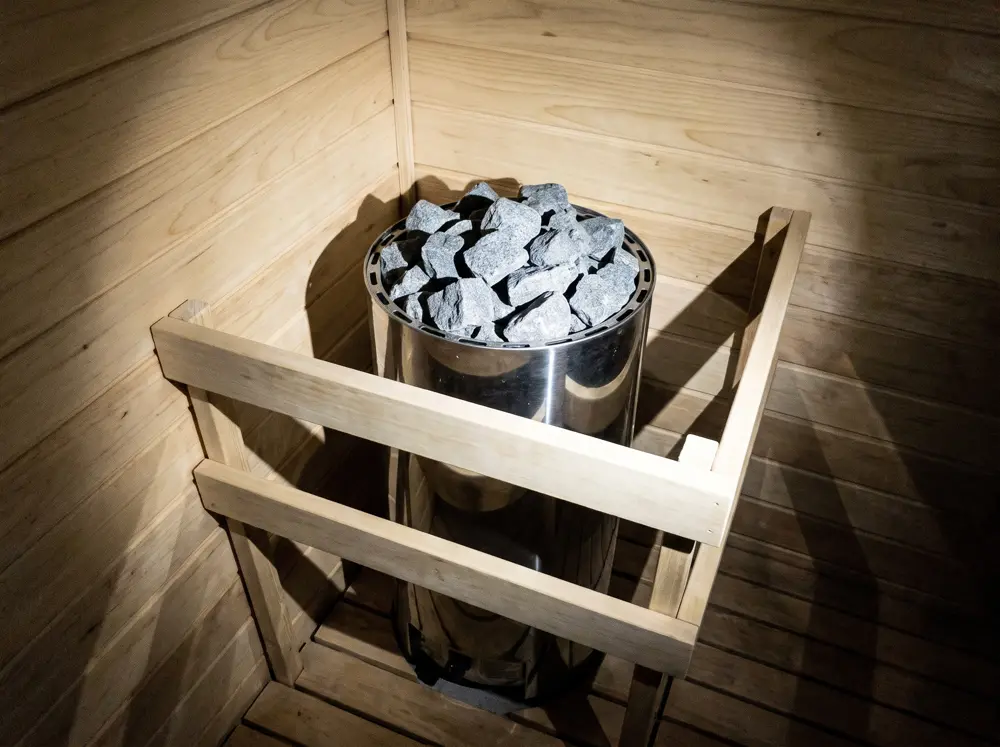
The top bench runs 15-20°C hotter than the bottom one, and nobody tells first-timers.
There is no ideal ice bath temperature — there is a dose
Ice gives you 5°C at minute zero and 11°C at minute eight. That is not a protocol, it is a coincidence.
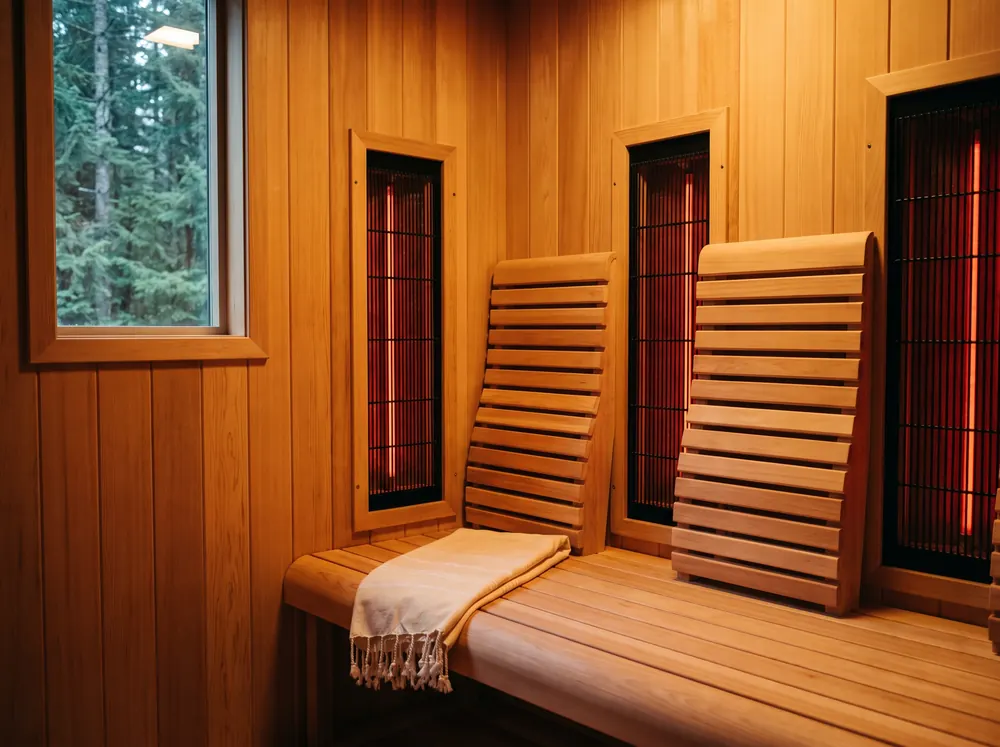
Infrared vs traditional sauna: one heats you, the other heats the room
Infrared isn't a cheap Finnish sauna. It's a different machine — and in a Bandung house, the electricity meter usually decides for you.
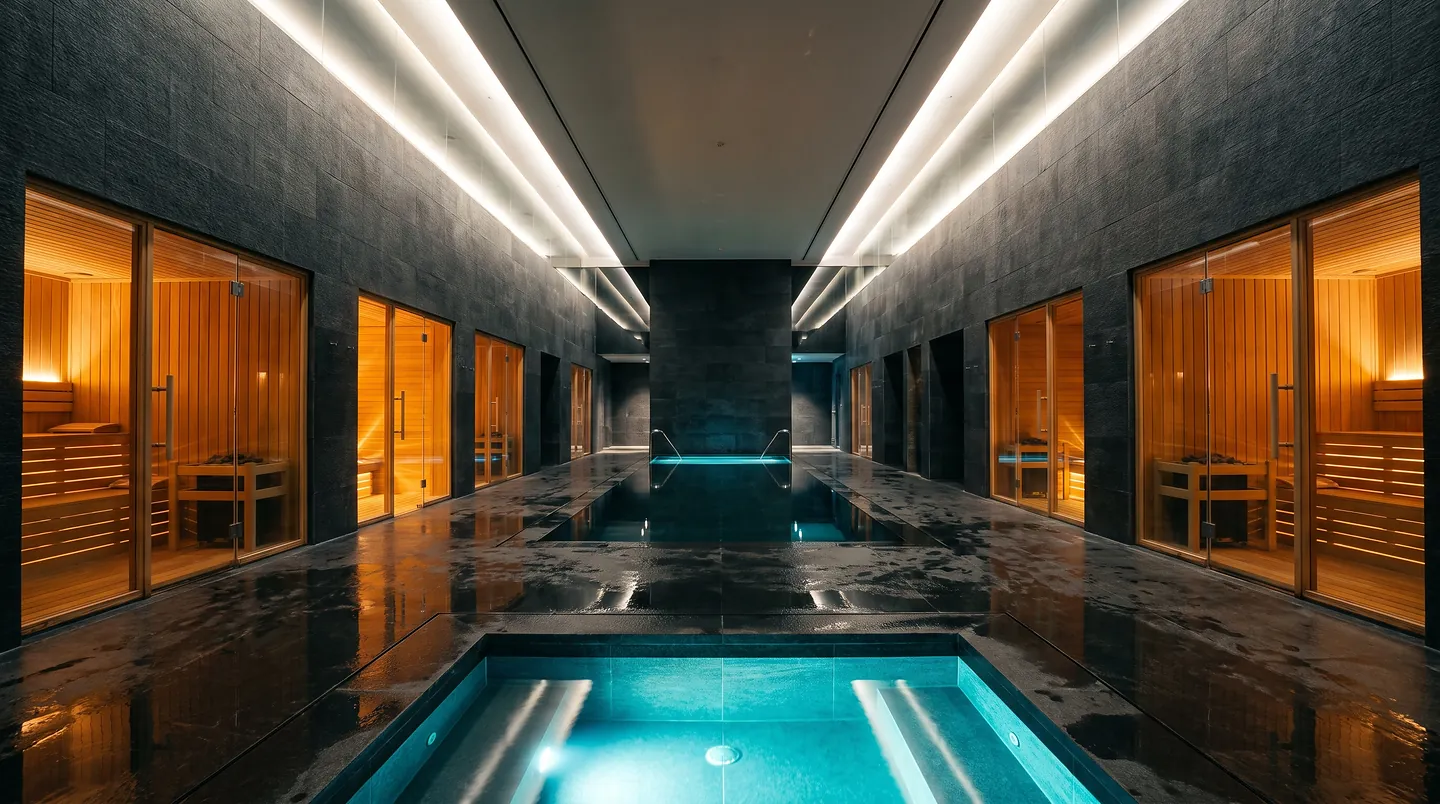
Start with a free survey
We come to your place in Bandung, measure, check the power, and tell you what's possible and what isn't. No cost, no obligation.